Kidney stone strainer / collector kit
Strong evidence
Catch the stone so a lab can identify the type. Prevention only works well when you know what you formed.
Keep one in every bathroom you use while passing a stone.
View on AmazonAcute episode
Most stones 5 mm or smaller will pass without a procedure. That sentence is true and also incomplete: “pass” can mean two quiet days or two wretched weeks. Size, location, and whether the kidney is blocked decide the plan — a clinician who has seen the scan owns that call.
Stop self-treating and go in if you have:
| Size | Usual course |
|---|---|
| Under 5 mm | Often passes in days to a few weeks |
| 5–10 mm | Coin flip — meds plus time, or a planned procedure |
| Over 10 mm | Unlikely to pass; shock wave or ureteroscopy is typical |
These are the objects that earn their space during an episode. Links are Amazon associate links.
Catch the stone so a lab can identify the type. Prevention only works well when you know what you formed.
Keep one in every bathroom you use while passing a stone.
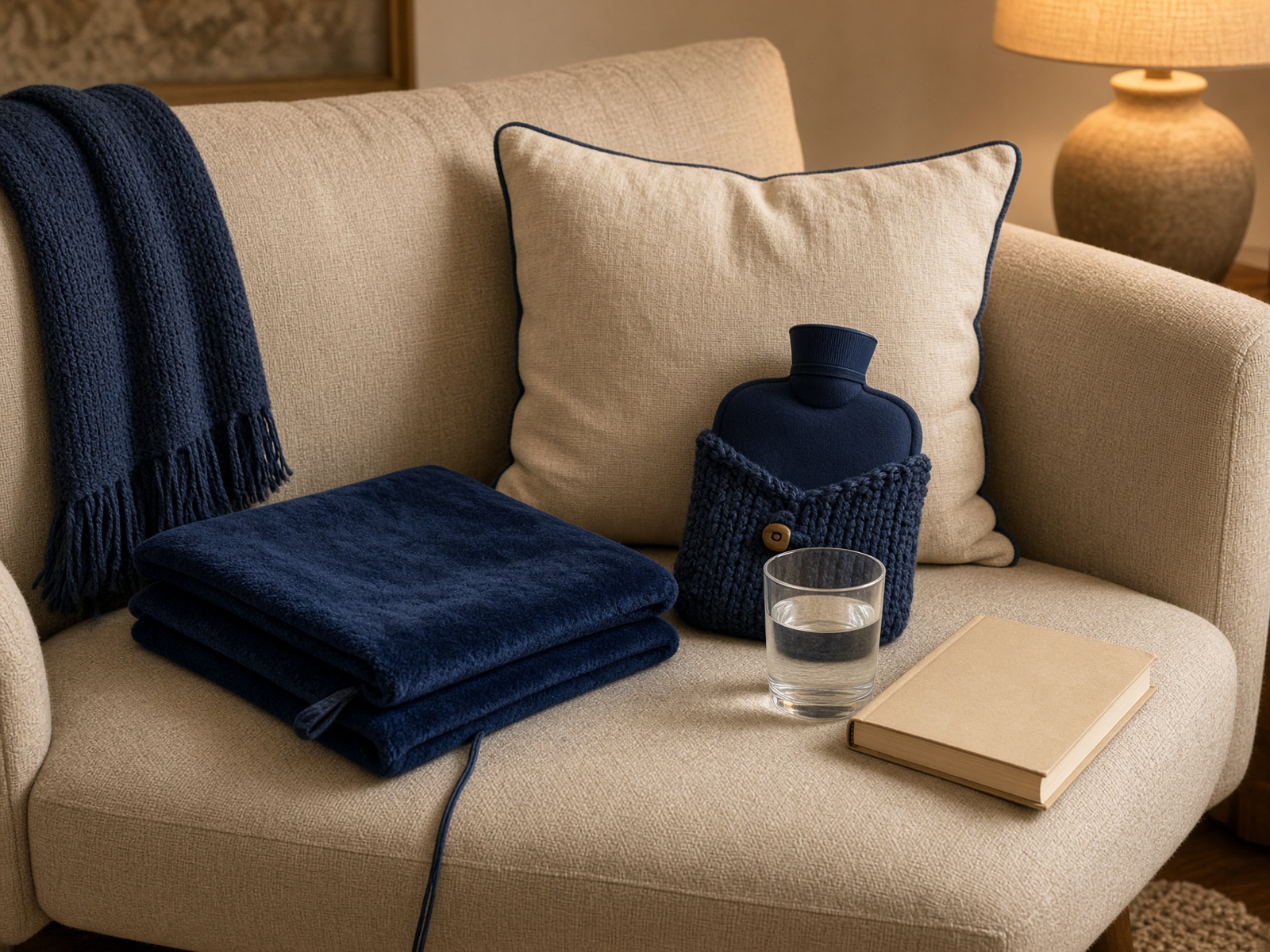
View on AmazonHeat relaxes flank and abdominal muscle spasm and is one of the few home measures that reliably takes the edge off colic.
View on AmazonNo cord, works during a power-sensitive night, and can travel in a car when an electric pad cannot.
View on AmazonNSAIDs are first-line pain control for renal colic in people who can take them. They treat inflammation around the ureter, not just the ache.
Avoid if you have kidney disease, ulcers, or are told not to take NSAIDs. Alternate with acetaminophen only as directed.
View on AmazonThe single best prevention tool is urine volume. A marked bottle makes 2.5–3 liters a day visible instead of hopeful.
View on AmazonProduct links go to Amazon using associate tag kidneystonestruggle-20. I may earn a commission if you buy. I only list items that match a recommendation on the page — strainers, heat, water bottles, citrate, kitchen tools — not random “kidney cleanse” junk.