Recurrence is the rule if nothing changes. The levers that keep showing up in trials are boring on purpose: urine volume, sodium, dietary calcium with meals, less animal protein, and citrate.
The prevention shelf is unglamorous: volume you can see, salt you can measure, citrus you will actually drink.
1. Drink until the urine is actually dilute
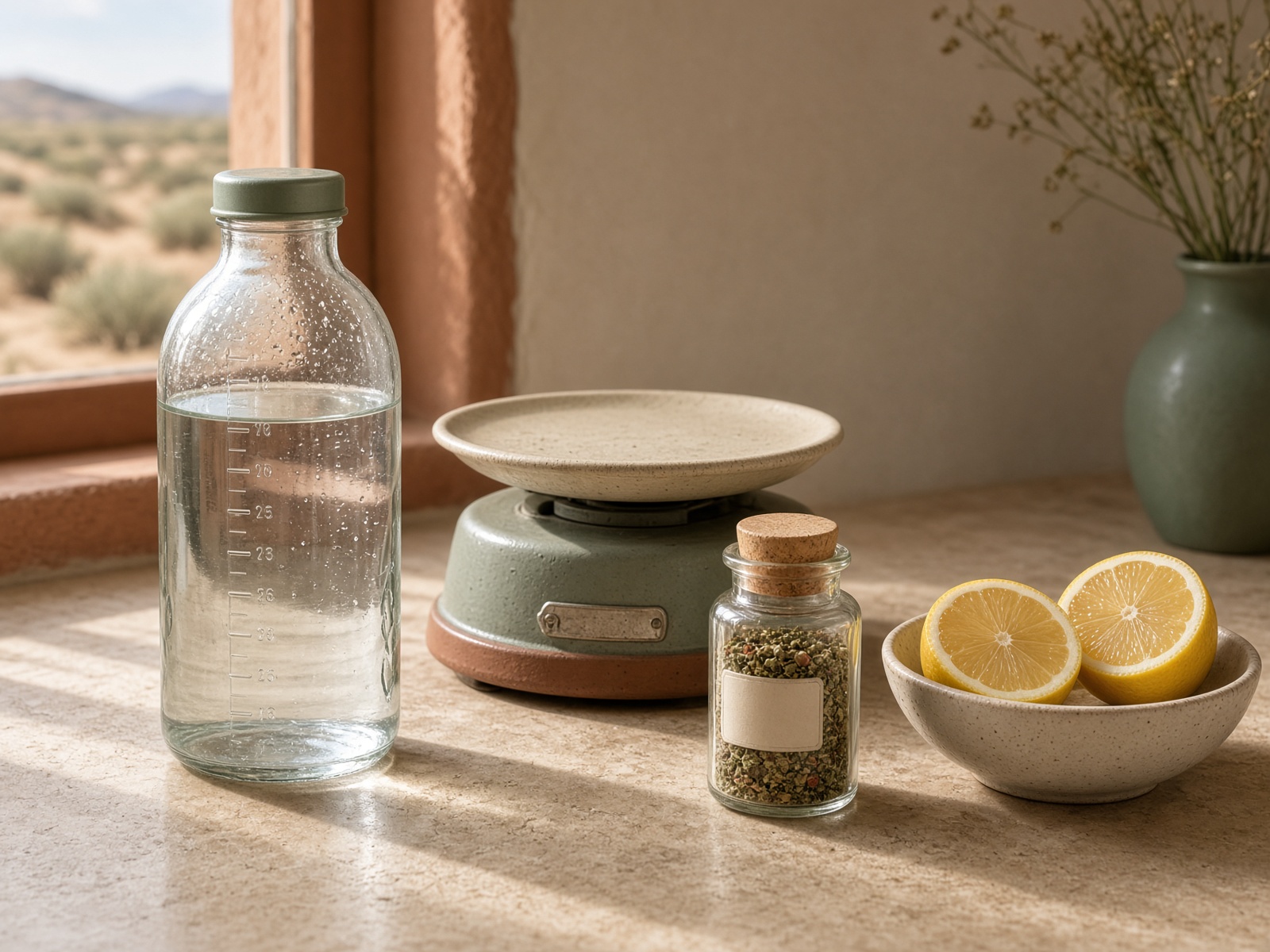
NIDDK: six to eight 8-ounce glasses as a floor, mostly water. Stone clinics usually aim for about 2.5 liters of urine a day — which means drinking more than that once you count sweat. Desert heat, shift work, and heavy exercise all raise the target. Pale straw is the visual check; a marked bottle is the behavioral check.
Helpful drinks: water, coffee in usual amounts, lemonade without a sugar dump. Unhelpful: sugar-sweetened soda as a habit. Grapefruit juice is the one citrus that stone papers often sidestep.
2. Cut sodium, not dietary calcium
Sodium pulls calcium into the urine. Stay near 2,000–2,300 mg of sodium a day. That is packaged food, restaurant food, and the salt shaker — not just “I don’t add salt.”
A five-year randomized trial in men with recurrent calcium oxalate stones found that a normal-calcium diet plus low salt and lower animal protein cut recurrence about in half versus a low-calcium diet. The low-calcium group leaked more oxalate. Bones also need the calcium.
Target: about 1,000–1,200 mg of calcium from food, taken with meals so it binds oxalate in the gut.
3. Animal protein in a smaller supporting role
Meat, organ meat, fish, and shellfish acidify urine and raise uric acid. That matters for uric acid stones and for calcium stones. You do not have to go vegan. You do have to stop treating every plate like a steakhouse.
4. Oxalate — moderate the high-load foods
Only if you form calcium oxalate stones or a 24-hour urine shows high oxalate. Pair leftover high-oxalate foods with calcium.
Usually limit
Spinach and most dark leafy cooking greens
Rhubarb
Almonds, cashews, peanuts, and nut butters
Beets and beet greens
Wheat bran
Swiss chard
Chocolate and cocoa
Soy products in large amounts
Sweet potatoes (moderate-high)
Black tea in large mugs, all day
Better swaps
Kale, cabbage, and lettuce instead of spinach
Calcium with the oxalate food (cheese on a spinach dish beats spinach alone)
White rice or oats instead of bran-heavy cereals
Water or coffee instead of pitcher after pitcher of black tea
Seeds in modest portions instead of a jar of almond butter
5. Citrate on purpose
Citrate binds calcium and is a crystallization inhibitor. Prescription potassium citrate is the drug version (FDA-approved for prevention). Food version: lemon juice. A small trial in hypocitraturic calcium-stone patients found ~85 mL of lemon juice a day raised urinary citrate about 2.5-fold — not as much as the drug, but in the same direction. Harvard clinicians often quote half a cup of lemon juice concentrate diluted through the day, or the juice of two lemons.
Medicines a clinic may add
Thiazide diuretics to lower urinary calcium
Potassium citrate (or potassium-magnesium citrate) for low citrate or acidic urine
Allopurinol when uric acid in the urine is the driver
Antibiotics plus surgery for struvite
Specialty agents for cystinuria
Prevention tools
Large marked water bottle (64–128 oz)
Strong evidence
The single best prevention tool is urine volume. A marked bottle makes 2.5–3 liters a day visible instead of hopeful.
Urologist-developed alkali citrate mix aimed at raising urine citrate and volume — the two chemistry levers that matter most for calcium oxalate stones.
This is not a prescription potassium citrate tablet. Ask your clinician before combining with other potassium products.
Product links go to Amazon using associate tag kidneystonestruggle-20. I may earn a commission if you buy. I only list items that match a recommendation on the page — strainers, heat, water bottles, citrate, kitchen tools — not random “kidney cleanse” junk.